
Add Template To Word
Add Template To Word - Learn the key differences, why the term add is outdated, and what it really means for diagnosis and treatment today. Learn the difference between adhd inattentive, hyperactive/impulsive, and combined type to better understand these conditions. Add symptoms include inattention, executive dysfunction, and distractibility, whereas adhd symptoms include hyperactivity, impulsivity, and recklessness. Let’s start with the basics: Add is the abbreviation for attention deficit disorder. Adhd is the abbreviation for attention deficit hyperactivity disorder. Mental health professionals no longer diagnose add. Are adhd and add different? Find out more about what adhd and add mean in children and adults, the types, symptoms, how doctors diagnose adhd, and the options for treatment and management. Attention deficit disorder (add) is an outdated term, while adhd or attention deficit hyperactivity disorder is the officially used term. Let’s start with the basics: Instead, they diagnose one of three types of adhd: Add is the abbreviation for attention deficit disorder. Learn the difference between adhd inattentive, hyperactive/impulsive, and combined type to better understand these conditions. Find out more about what adhd and add mean in children and adults, the types, symptoms, how doctors diagnose adhd, and the options for treatment and management. Adhd is the abbreviation for attention deficit hyperactivity disorder. Attention deficit disorder (add) is an outdated term, while adhd or attention deficit hyperactivity disorder is the officially used term. Learn the key differences, why the term add is outdated, and what it really means for diagnosis and treatment today. Some people, however, use the term. Add symptoms include inattention, executive dysfunction, and distractibility, whereas adhd symptoms include hyperactivity, impulsivity, and recklessness. Find out more about what adhd and add mean in children and adults, the types, symptoms, how doctors diagnose adhd, and the options for treatment and management. Mental health professionals no longer diagnose add. Add symptoms include inattention, executive dysfunction, and distractibility, whereas adhd symptoms include hyperactivity, impulsivity, and recklessness. Adhd is the abbreviation for attention deficit hyperactivity disorder. Some. Learn the key differences, why the term add is outdated, and what it really means for diagnosis and treatment today. Learn the difference between adhd inattentive, hyperactive/impulsive, and combined type to better understand these conditions. Attention deficit disorder (add) is an outdated term, while adhd or attention deficit hyperactivity disorder is the officially used term. Add symptoms include inattention, executive. Add symptoms include inattention, executive dysfunction, and distractibility, whereas adhd symptoms include hyperactivity, impulsivity, and recklessness. Learn the difference between adhd inattentive, hyperactive/impulsive, and combined type to better understand these conditions. Attention deficit disorder (add) is an outdated term, while adhd or attention deficit hyperactivity disorder is the officially used term. Some people, however, use the term. Find out more. Some people, however, use the term. Let’s start with the basics: Attention deficit disorder (add) is an outdated term, while adhd or attention deficit hyperactivity disorder is the officially used term. Add symptoms include inattention, executive dysfunction, and distractibility, whereas adhd symptoms include hyperactivity, impulsivity, and recklessness. Learn the key differences, why the term add is outdated, and what it. Add symptoms include inattention, executive dysfunction, and distractibility, whereas adhd symptoms include hyperactivity, impulsivity, and recklessness. Adhd is the abbreviation for attention deficit hyperactivity disorder. Add is the abbreviation for attention deficit disorder. Mental health professionals no longer diagnose add. Let’s start with the basics: Attention deficit disorder (add) is an outdated term, while adhd or attention deficit hyperactivity disorder is the officially used term. Adhd is the abbreviation for attention deficit hyperactivity disorder. Learn the key differences, why the term add is outdated, and what it really means for diagnosis and treatment today. Are adhd and add different? Instead, they diagnose one of three. Let’s start with the basics: Find out more about what adhd and add mean in children and adults, the types, symptoms, how doctors diagnose adhd, and the options for treatment and management. Are adhd and add different? Instead, they diagnose one of three types of adhd: Attention deficit disorder (add) is an outdated term, while adhd or attention deficit hyperactivity. Mental health professionals no longer diagnose add. Some people, however, use the term. Instead, they diagnose one of three types of adhd: Learn the difference between adhd inattentive, hyperactive/impulsive, and combined type to better understand these conditions. Attention deficit disorder (add) is an outdated term, while adhd or attention deficit hyperactivity disorder is the officially used term. Mental health professionals no longer diagnose add. Adhd is the abbreviation for attention deficit hyperactivity disorder. Add symptoms include inattention, executive dysfunction, and distractibility, whereas adhd symptoms include hyperactivity, impulsivity, and recklessness. Let’s start with the basics: Instead, they diagnose one of three types of adhd: Attention deficit disorder (add) is an outdated term, while adhd or attention deficit hyperactivity disorder is the officially used term. Mental health professionals no longer diagnose add. Learn the key differences, why the term add is outdated, and what it really means for diagnosis and treatment today. Learn the difference between adhd inattentive, hyperactive/impulsive, and combined type to better understand. Find out more about what adhd and add mean in children and adults, the types, symptoms, how doctors diagnose adhd, and the options for treatment and management. Attention deficit disorder (add) is an outdated term, while adhd or attention deficit hyperactivity disorder is the officially used term. Mental health professionals no longer diagnose add. Adhd is the abbreviation for attention deficit hyperactivity disorder. Add symptoms include inattention, executive dysfunction, and distractibility, whereas adhd symptoms include hyperactivity, impulsivity, and recklessness. Learn the difference between adhd inattentive, hyperactive/impulsive, and combined type to better understand these conditions. Some people, however, use the term. Let’s start with the basics: Learn the key differences, why the term add is outdated, and what it really means for diagnosis and treatment today.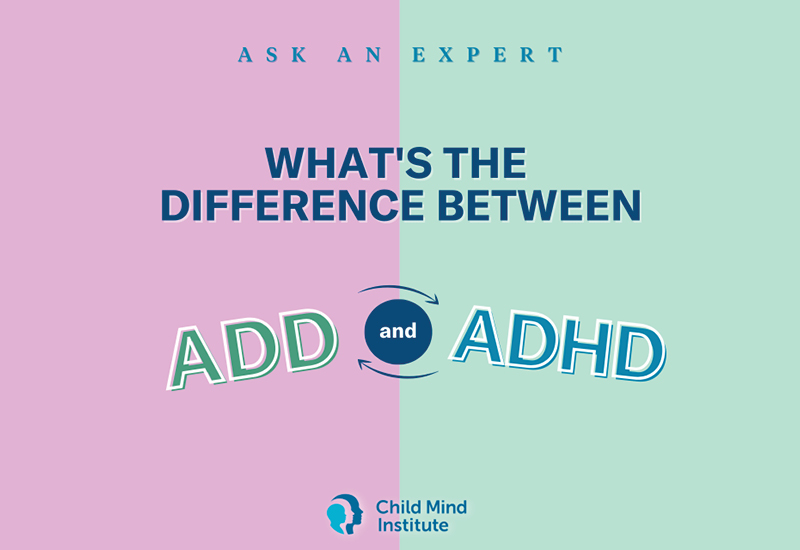
What is the difference between ADD and ADHD? Child Mind Institute

What is An Addend? Definition, Properties, Rule, Examples, Facts

What is An Addend? Definition, Properties, Rule, Examples, Facts
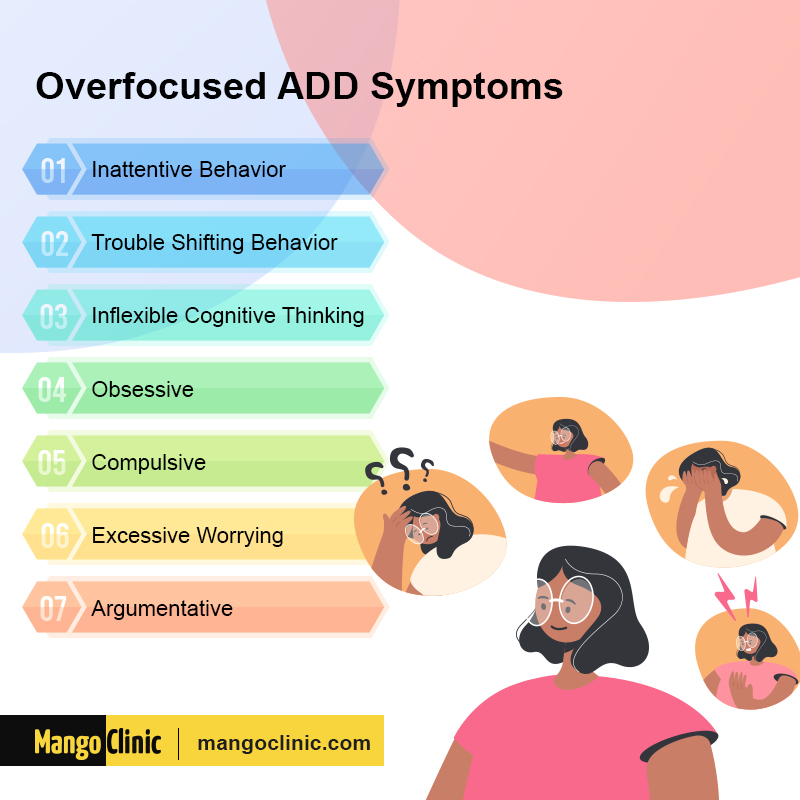
AmritMagdalejna
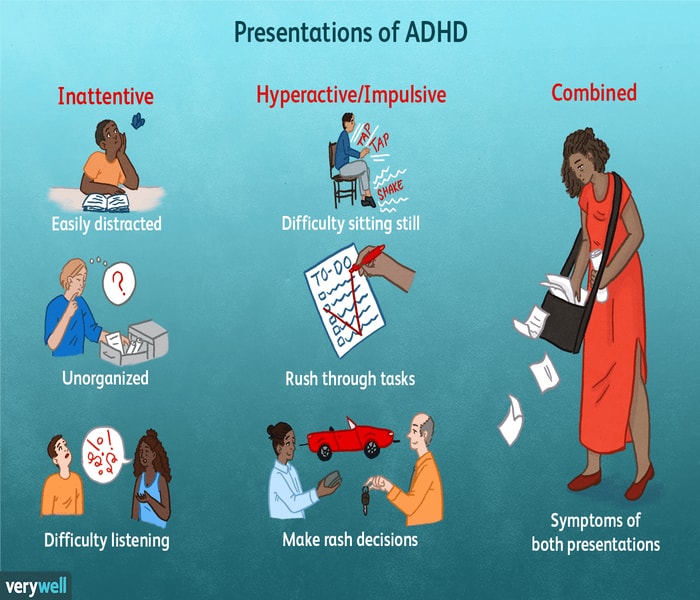
Difference between adhd and add accesssilope

add® Official ADD Official
![Ad Vs Add Differences + Examples + Usage [2024] Phoenix English](https://phoenixenglishlang.com/wp-content/uploads/2024/03/What-is-the-meaning-of-add-.jpg)
Ad Vs Add Differences + Examples + Usage [2024] Phoenix English
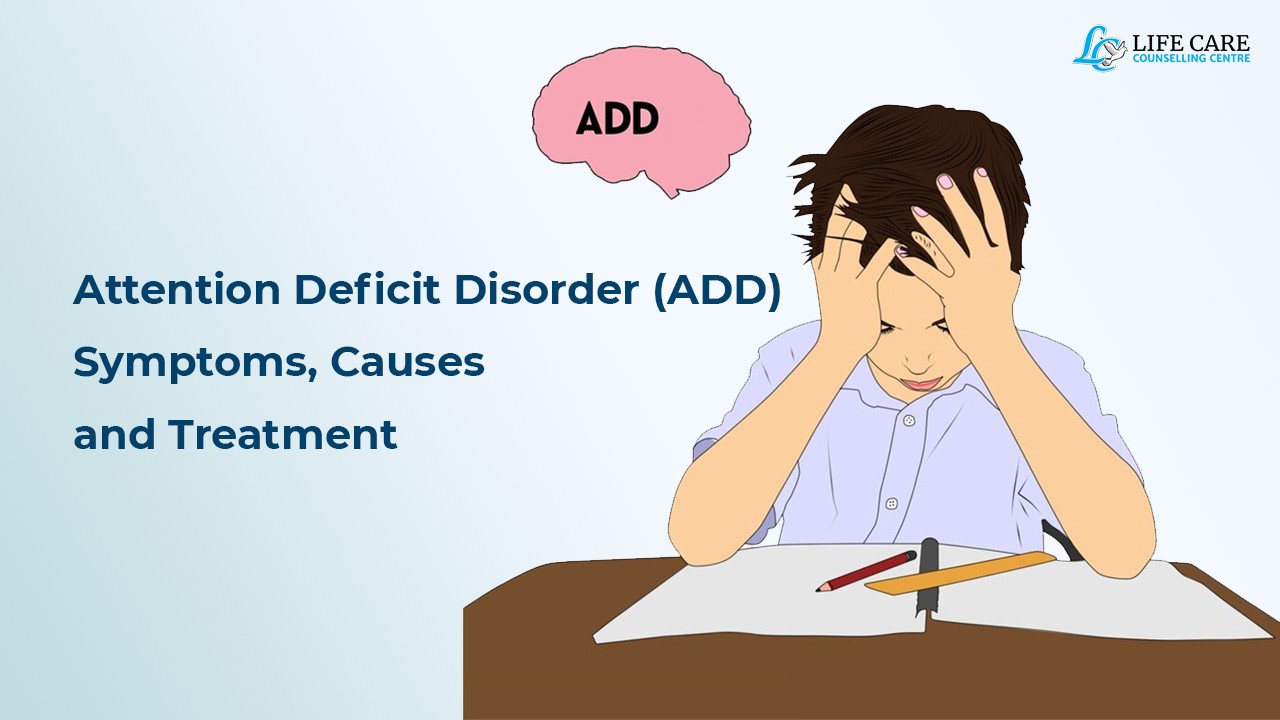
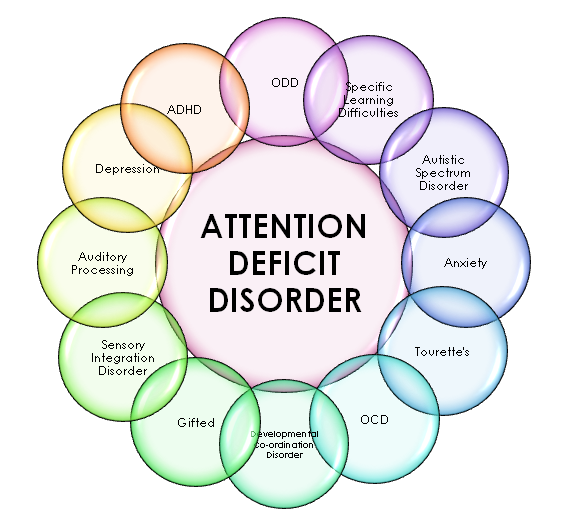
Attention Deficit Disorder
:max_bytes(150000):strip_icc()/add-vs-adhd-5193759_final-ef0ac3362ac54bd7be1ec06481878560.jpg)
ADD vs. ADHD Differences & Symptoms in Kids and Adults (2022)
Attention Deficit Hyperactivity Disorder Symptoms
Are Adhd And Add Different?
Add Is The Abbreviation For Attention Deficit Disorder.
Instead, They Diagnose One Of Three Types Of Adhd:
Related Post: