
Loe Template
Loe Template - Loe, in project management terms, means the level of effort to perform the identified tasks in a project. At its basic level, loe refers to the volume of work required to complete a project task. Level of effort (loe) refers to tasks that are the management overhead of running a project and that don’t produce any specific, defined end products as part of the project. The abbreviation loe stands for level of effort, a term commonly used in project management and contract work to describe the amount of labor or resources required to complete a specific. Loe is a crucial project management concept that underpins planning, resourcing, budgeting, scheduling, monitoring, and control. Loe is the backbone of effective project management, dictating how resources are allocated and how timelines are met. Level of effort (loe) is a project management term that refers to a specific type of project activity called support activities. Applying loe best practices goes a long way. Support activities do not yield deliverables, but rather. Level of effort (loe) in project management refers to the amount of work needed to accomplish specific tasks or activities that contribute to the overall project. Applying loe best practices goes a long way. At its basic level, loe refers to the volume of work required to complete a project task. Level of effort (loe) in project management refers to the amount of work needed to accomplish specific tasks or activities that contribute to the overall project. The abbreviation loe stands for level of effort, a term commonly used in project management and contract work to describe the amount of labor or resources required to complete a specific. Most project participants involved in the execution of projects. Loe is a crucial project management concept that underpins planning, resourcing, budgeting, scheduling, monitoring, and control. Level of effort (loe) refers to tasks that are the management overhead of running a project and that don’t produce any specific, defined end products as part of the project. Support activities do not yield deliverables, but rather. Loe, in project management terms, means the level of effort to perform the identified tasks in a project. Level of effort (loe) is a project management term that refers to a specific type of project activity called support activities. Level of effort (loe) in project management refers to the amount of work needed to accomplish specific tasks or activities that contribute to the overall project. At its basic level, loe refers to the volume of work required to complete a project task. Level of effort (loe) is a project management term that refers to a specific type of project. At its basic level, loe refers to the volume of work required to complete a project task. Loe, in project management terms, means the level of effort to perform the identified tasks in a project. Loe is the backbone of effective project management, dictating how resources are allocated and how timelines are met. Level of effort (loe) refers to tasks. Applying loe best practices goes a long way. Most project participants involved in the execution of projects. Mastering loe is crucial because it ensures that. Loe is the backbone of effective project management, dictating how resources are allocated and how timelines are met. At its basic level, loe refers to the volume of work required to complete a project task. The abbreviation loe stands for level of effort, a term commonly used in project management and contract work to describe the amount of labor or resources required to complete a specific. Loe, in project management terms, means the level of effort to perform the identified tasks in a project. Applying loe best practices goes a long way. Support activities do. Applying loe best practices goes a long way. Level of effort (loe) in project management refers to the amount of work needed to accomplish specific tasks or activities that contribute to the overall project. Level of effort (loe) is a project management term that refers to a specific type of project activity called support activities. At its basic level, loe. Applying loe best practices goes a long way. This article delves into the differences between a statement of work (sow) and a level of effort (loe) in project management, highlighting their purposes, components, and the. Mastering loe is crucial because it ensures that. Most project participants involved in the execution of projects. Loe, in project management terms, means the level. Applying loe best practices goes a long way. At its basic level, loe refers to the volume of work required to complete a project task. This article delves into the differences between a statement of work (sow) and a level of effort (loe) in project management, highlighting their purposes, components, and the. Level of effort (loe) refers to tasks that. Level of effort (loe) in project management refers to the amount of work needed to accomplish specific tasks or activities that contribute to the overall project. Support activities do not yield deliverables, but rather. Most project participants involved in the execution of projects. This article delves into the differences between a statement of work (sow) and a level of effort. Most project participants involved in the execution of projects. Level of effort (loe) refers to tasks that are the management overhead of running a project and that don’t produce any specific, defined end products as part of the project. This article delves into the differences between a statement of work (sow) and a level of effort (loe) in project management,. It usually consists of short amounts of. Loe is a crucial project management concept that underpins planning, resourcing, budgeting, scheduling, monitoring, and control. Most project participants involved in the execution of projects. This article delves into the differences between a statement of work (sow) and a level of effort (loe) in project management, highlighting their purposes, components, and the. Mastering. It usually consists of short amounts of. Level of effort (loe) in project management refers to the amount of work needed to accomplish specific tasks or activities that contribute to the overall project. Applying loe best practices goes a long way. Loe, in project management terms, means the level of effort to perform the identified tasks in a project. Support activities do not yield deliverables, but rather. Level of effort (loe) is a project management term that refers to a specific type of project activity called support activities. Most project participants involved in the execution of projects. Loe is a crucial project management concept that underpins planning, resourcing, budgeting, scheduling, monitoring, and control. Level of effort (loe) refers to tasks that are the management overhead of running a project and that don’t produce any specific, defined end products as part of the project. The abbreviation loe stands for level of effort, a term commonly used in project management and contract work to describe the amount of labor or resources required to complete a specific. Mastering loe is crucial because it ensures that.
LOE letter technology logo design on white background. LOE creative

Diferencias entre logse y loe

LOE

LOE logo. LOE letter. LOE letter logo design. Initials LOE logo linked

LOE stands for Loss of Exclusivity Abbreviation Finder

LOÉ(ロエ) 公式オンラインストア

Diferencias entre la LOE y la LOMLOE en educación infantil ¿hay algo
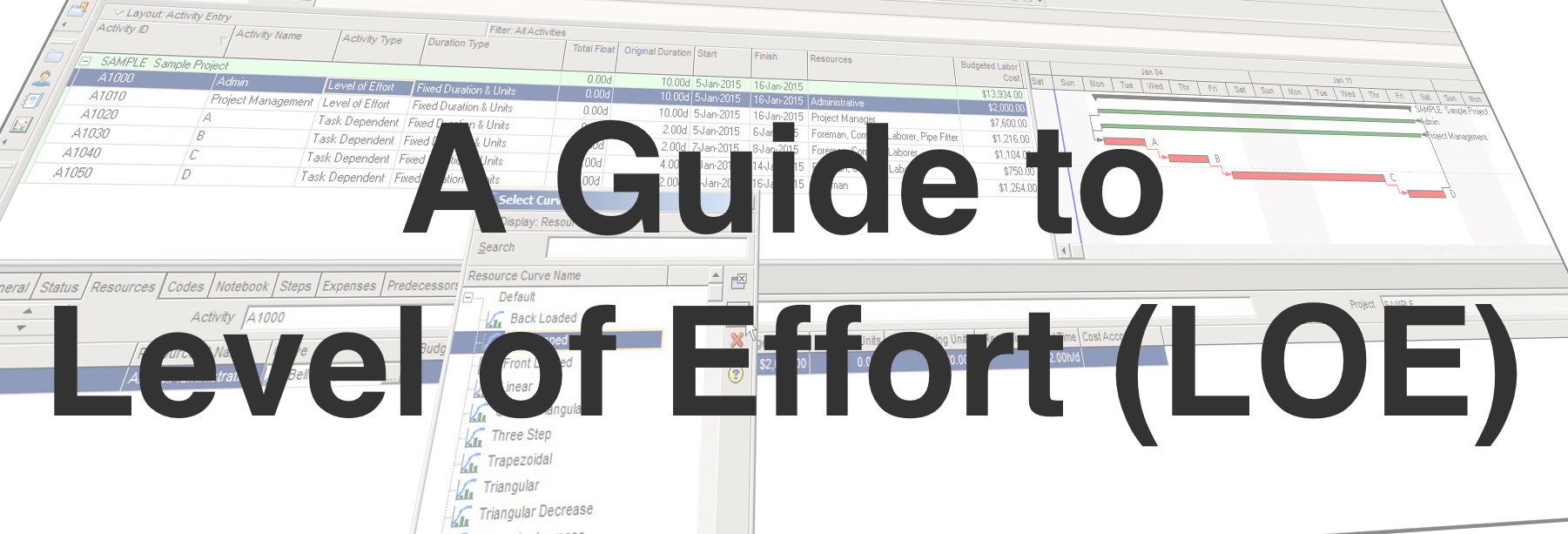
A Guide to Level of Effort (LOE) Ten Six
ACTIVIDAD 4. LOE CON LOMLOE
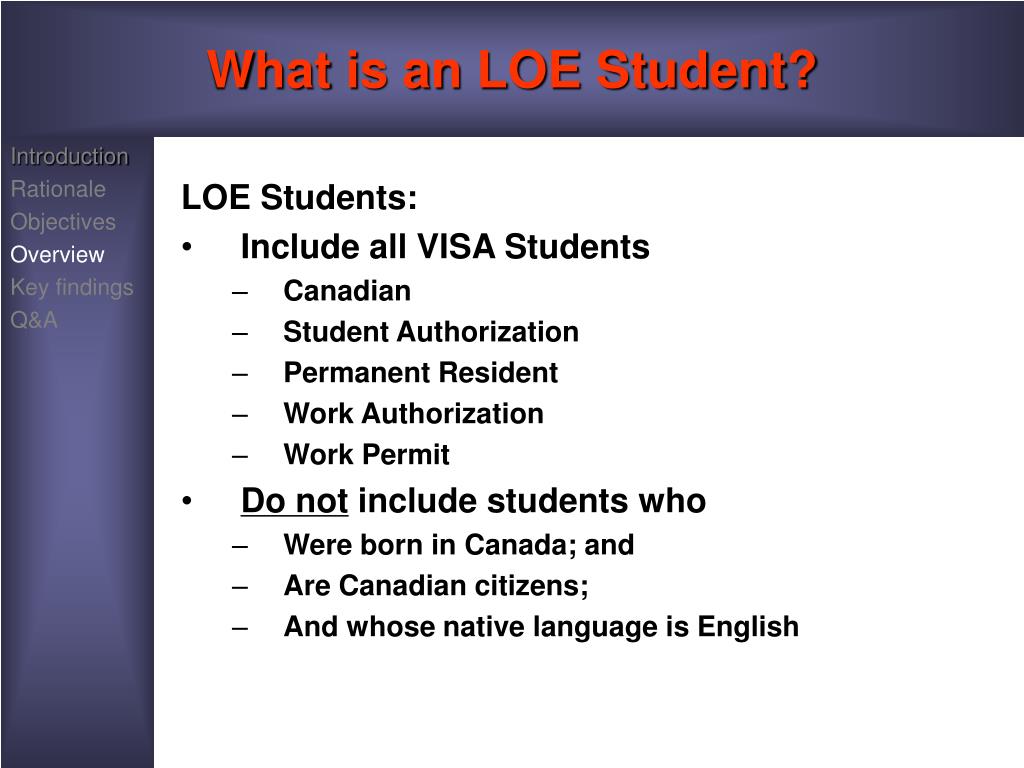
PPT The Study of Language Other than English Learners PowerPoint
Loe Is The Backbone Of Effective Project Management, Dictating How Resources Are Allocated And How Timelines Are Met.
This Article Delves Into The Differences Between A Statement Of Work (Sow) And A Level Of Effort (Loe) In Project Management, Highlighting Their Purposes, Components, And The.
At Its Basic Level, Loe Refers To The Volume Of Work Required To Complete A Project Task.
Related Post:
