Other Words For Template
Other Words For Template - I think it would be fair to say that the second has eclipsed the first to the point of making the first. I'd say that this answer trumps an arrogation, even one from an 'expert'. The musical sharp (♯) is technically a different character from the octothorpe (#), though they are superficially similar. So, what's the exact difference and when should you use one or the other? Try replacing with 'other than'. Other than that it is vanishingly rare to see & in formal written english, although of course in informal email, text messages, notes, and handwriting, anything goes. (there were only 2 teams that could have won and the other team did.) the other three schools rejected me. (we know 3 schools rejected the person.). The string an other is vanishingly rare in english. There is a subtle difference as when we use 'such as' the way jsbangs has, the other examples might not. In contrast another is positively pervasive. Most of the time one or the other feels better, but every so often, which vs. 而“the other child is my brother.”中使用了other来呼应前一句话,表示我这句话所谈的另外一个 小孩. Try replacing with 'other than'. They mean the same thing and are both grammatically correct, though 'otherwise than' embellishes the sentence a little more. The musical sharp (♯) is technically a different character from the octothorpe (#), though they are superficially similar. I think it would be fair to say that the second has eclipsed the first to the point of making the first. So, what's the exact difference and when should you use one or the other? The wikipedia article describes the origin of the. It often doesn't matter whether you use a singular or a plural verb — unless something else in. So, what's the exact difference and when should you use one or the other? In contrast another is positively pervasive. The musical sharp (♯) is technically a different character from the octothorpe (#), though they are superficially similar. 而“the other child is my brother.”中使用了other来呼应前一句话,表示我这句话所谈的另外一个 小孩. There is a subtle difference as when we use 'such as' the way jsbangs has,. So, what's the exact difference and when should you use one or the other? 而“the other child is my brother.”中使用了other来呼应前一句话,表示我这句话所谈的另外一个 小孩. Most of the time one or the other feels better, but every so often, which vs. In contrast another is positively pervasive. It often doesn't matter whether you use a singular or a plural verb — unless something else. The wikipedia article describes the origin of the. (there were only 2 teams that could have won and the other team did.) the other three schools rejected me. The string an other is vanishingly rare in english. The musical sharp (♯) is technically a different character from the octothorpe (#), though they are superficially similar. 而“the other child is my. In @robusto's comment, 'like' means monet and other painters similar to him. On the other hand, there is one indefinite pronoun, none, that can be either singular or plural; (we know 3 schools rejected the person.). So, what's the exact difference and when should you use one or the other? Try replacing with 'other than'. In @robusto's comment, 'like' means monet and other painters similar to him. Other than that it is vanishingly rare to see & in formal written english, although of course in informal email, text messages, notes, and handwriting, anything goes. Most of the time one or the other feels better, but every so often, which vs. The functions of punctuation are. So, what's the exact difference and when should you use one or the other? The wikipedia article describes the origin of the. (we know 3 schools rejected the person.). The musical sharp (♯) is technically a different character from the octothorpe (#), though they are superficially similar. I think it would be fair to say that the second has eclipsed. The string an other is vanishingly rare in english. The functions of punctuation are primarily to improve clarity and ease of reading, including to distinguish. In @robusto's comment, 'like' means monet and other painters similar to him. (we know 3 schools rejected the person.). Try replacing with 'other than'. (we know 3 schools rejected the person.). So, what's the exact difference and when should you use one or the other? I'd say that this answer trumps an arrogation, even one from an 'expert'. The wikipedia article describes the origin of the. Most of the time one or the other feels better, but every so often, which vs. Most of the time one or the other feels better, but every so often, which vs. 而“the other child is my brother.”中使用了other来呼应前一句话,表示我这句话所谈的另外一个 小孩. The functions of punctuation are primarily to improve clarity and ease of reading, including to distinguish. Other than that it is vanishingly rare to see & in formal written english, although of course in informal email, text. The string an other is vanishingly rare in english. I'd say that this answer trumps an arrogation, even one from an 'expert'. I think it would be fair to say that the second has eclipsed the first to the point of making the first. 而“the other child is my brother.”中使用了other来呼应前一句话,表示我这句话所谈的另外一个 小孩. Most of the time one or the other feels. (we know 3 schools rejected the person.). It often doesn't matter whether you use a singular or a plural verb — unless something else in. In contrast another is positively pervasive. 而“the other child is my brother.”中使用了other来呼应前一句话,表示我这句话所谈的另外一个 小孩. In @robusto's comment, 'like' means monet and other painters similar to him. Try replacing with 'other than'. I think it would be fair to say that the second has eclipsed the first to the point of making the first. There is a subtle difference as when we use 'such as' the way jsbangs has, the other examples might not. The functions of punctuation are primarily to improve clarity and ease of reading, including to distinguish. The wikipedia article describes the origin of the. On the other hand, there is one indefinite pronoun, none, that can be either singular or plural; The string an other is vanishingly rare in english. Most of the time one or the other feels better, but every so often, which vs. Other than that it is vanishingly rare to see & in formal written english, although of course in informal email, text messages, notes, and handwriting, anything goes. The musical sharp (♯) is technically a different character from the octothorpe (#), though they are superficially similar.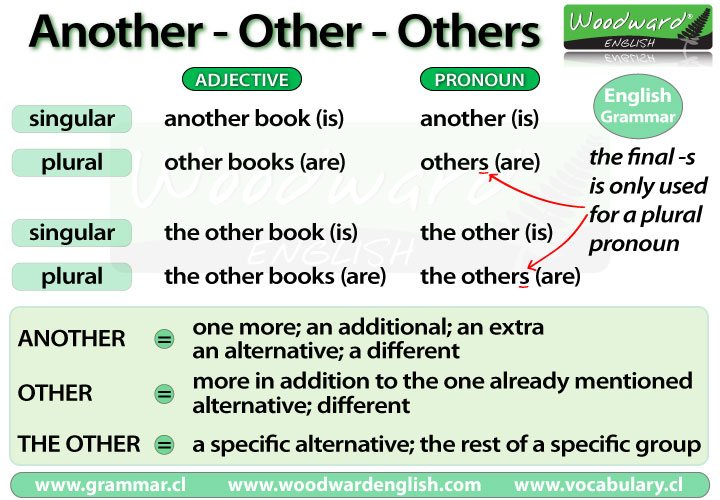
Different From Others
![[NEW] What's the Difference Between Various Bible Versions? other vs](https://i.ytimg.com/vi/by7oe1PEiyg/maxresdefault.jpg)
[NEW] What's the Difference Between Various Bible Versions? other vs
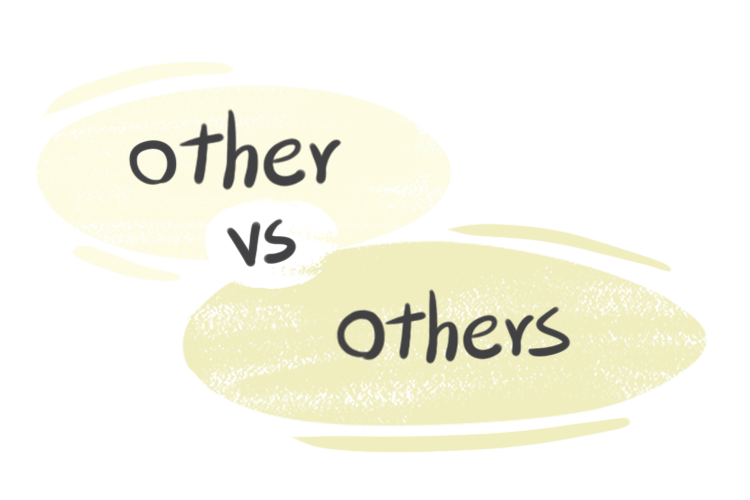
"Other" vs. "Others" in the English Grammar LanGeek
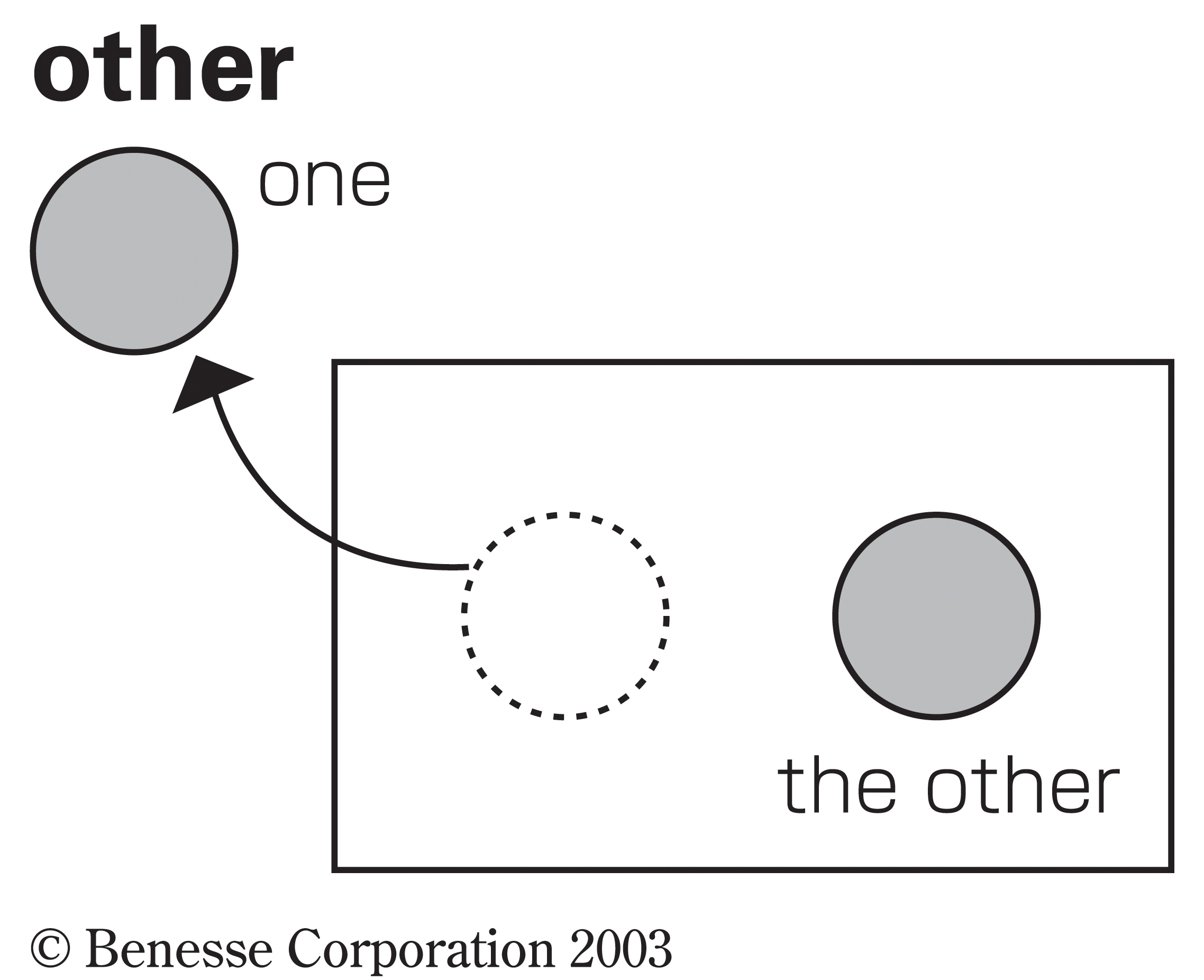
otherの意味・使い方・読み方・覚え方 Weblio英和辞書
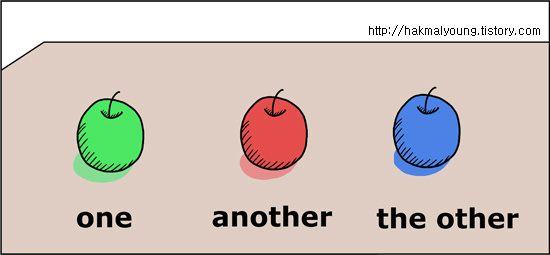
Other Another
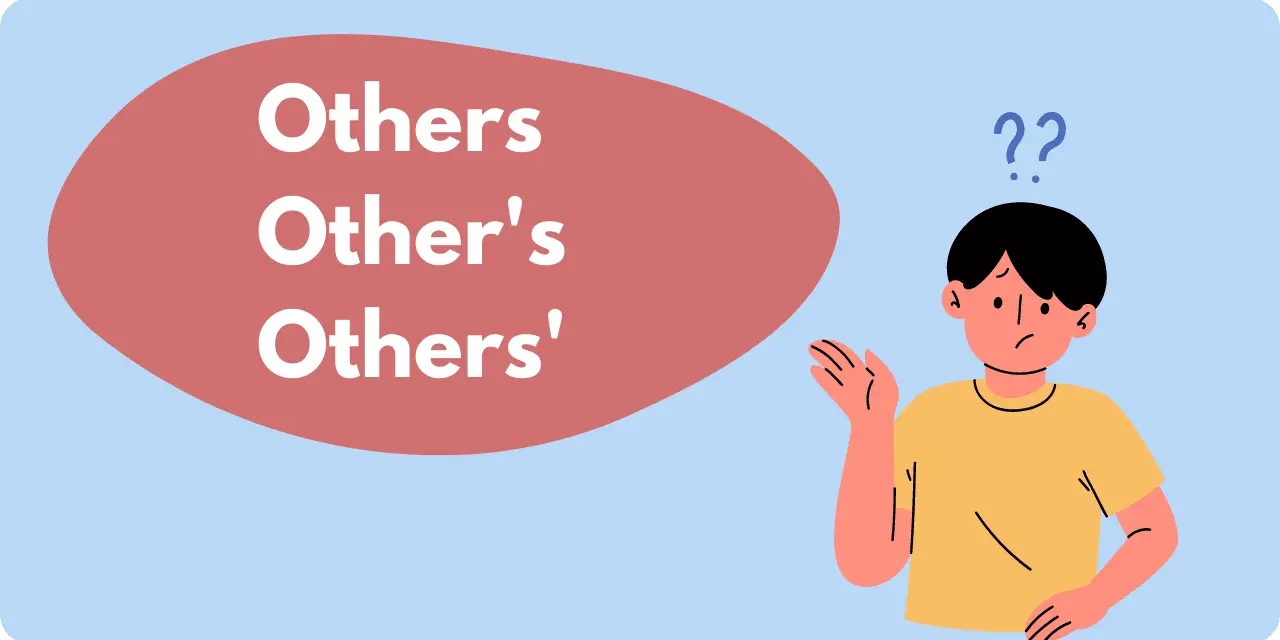
Is it "Others" or "Other's"? BusinessWritingBlog
Other Past Tense Verb Forms, Conjugate OTHER
Another Quotes (Page 1) / Dark Discussions at Cafe Infinity / Math Is

Other Another

English grammar grammaticus
They Mean The Same Thing And Are Both Grammatically Correct, Though 'Otherwise Than' Embellishes The Sentence A Little More.
(There Were Only 2 Teams That Could Have Won And The Other Team Did.) The Other Three Schools Rejected Me.
So, What's The Exact Difference And When Should You Use One Or The Other?
I'd Say That This Answer Trumps An Arrogation, Even One From An 'Expert'.
Related Post: