
Pcr Narrative Template
Pcr Narrative Template - This technique was developed in 1983 by kary mullis, an. Healthcare providers can use pcr to test for infectious diseases, to. Polymerase chain reaction (pcr) is a powerful method for amplifying particular segments of dna, distinct from cloning and propagation within the host cell. Health experts can use pcr tests as a quick, accurate way to diagnose infectious diseases, spot genetic changes that can cause disease, and identify small amounts of cancer. The most widely used target. Pcr is fundamental to many of the procedures used in genetic testing, research, including analysis of ancient samples of dna and identification of infectious agents. Polymerase chain reaction ( pcr), a technique used to make numerous copies of a specific segment of dna quickly and accurately. A pcr (polymerase chain reaction) test is a lab technique that amplifies (creates more copies) of genetic material (dna). Pcr or polymerase chain reaction is a technique used in molecular biology to create several copies of a certain dna segment. The polymerase chain reaction enables. Polymerase chain reaction, known as pcr, is an experimental technique used to produce millions and millions of copies of dna or rna (nucleic acid) samples. The polymerase chain reaction enables. Pcr is an enzymatic process in which a specific region of dna is replicated over and over again to yield many copies of a particular sequence. This technique was developed in 1983 by kary mullis, an. Polymerase chain reaction ( pcr), a technique used to make numerous copies of a specific segment of dna quickly and accurately. The polymerase chain reaction (pcr) is a laboratory nucleic acid amplification technique used to denature and renature short segments of dna using dna polymerase i. A pcr (polymerase chain reaction) test is a lab technique that amplifies (creates more copies) of genetic material (dna). Healthcare providers can use pcr to test for infectious diseases, to. Pcr is fundamental to many of the procedures used in genetic testing, research, including analysis of ancient samples of dna and identification of infectious agents. Pcr or polymerase chain reaction is a technique used in molecular biology to create several copies of a certain dna segment. The polymerase chain reaction (pcr) is a laboratory nucleic acid amplification technique used to denature and renature short segments of dna using dna polymerase i. Polymerase chain reaction, known as pcr, is an experimental technique used to produce millions and millions of copies of dna or rna (nucleic acid) samples. The polymerase chain reaction enables. Health experts can use pcr. Polymerase chain reaction (pcr) is a powerful method for amplifying particular segments of dna, distinct from cloning and propagation within the host cell. Pcr is an enzymatic process in which a specific region of dna is replicated over and over again to yield many copies of a particular sequence. Polymerase chain reaction ( pcr), a technique used to make numerous. Polymerase chain reaction ( pcr), a technique used to make numerous copies of a specific segment of dna quickly and accurately. A pcr (polymerase chain reaction) test is a lab technique that amplifies (creates more copies) of genetic material (dna). Pcr is an enzymatic process in which a specific region of dna is replicated over and over again to yield. The most widely used target. Polymerase chain reaction, known as pcr, is an experimental technique used to produce millions and millions of copies of dna or rna (nucleic acid) samples. This technique was developed in 1983 by kary mullis, an. The polymerase chain reaction enables. A pcr (polymerase chain reaction) test is a lab technique that amplifies (creates more copies). Pcr is fundamental to many of the procedures used in genetic testing, research, including analysis of ancient samples of dna and identification of infectious agents. This technique was developed in 1983 by kary mullis, an. Polymerase chain reaction ( pcr), a technique used to make numerous copies of a specific segment of dna quickly and accurately. The polymerase chain reaction. Pcr is fundamental to many of the procedures used in genetic testing, research, including analysis of ancient samples of dna and identification of infectious agents. Polymerase chain reaction, known as pcr, is an experimental technique used to produce millions and millions of copies of dna or rna (nucleic acid) samples. This technique was developed in 1983 by kary mullis, an.. The most widely used target. Health experts can use pcr tests as a quick, accurate way to diagnose infectious diseases, spot genetic changes that can cause disease, and identify small amounts of cancer. A pcr (polymerase chain reaction) test is a lab technique that amplifies (creates more copies) of genetic material (dna). Polymerase chain reaction ( pcr), a technique used. Pcr is an enzymatic process in which a specific region of dna is replicated over and over again to yield many copies of a particular sequence. Pcr or polymerase chain reaction is a technique used in molecular biology to create several copies of a certain dna segment. Pcr is fundamental to many of the procedures used in genetic testing, research,. The most widely used target. The polymerase chain reaction enables. Health experts can use pcr tests as a quick, accurate way to diagnose infectious diseases, spot genetic changes that can cause disease, and identify small amounts of cancer. Polymerase chain reaction (pcr) is a powerful method for amplifying particular segments of dna, distinct from cloning and propagation within the host. A pcr (polymerase chain reaction) test is a lab technique that amplifies (creates more copies) of genetic material (dna). Polymerase chain reaction (pcr) is a powerful method for amplifying particular segments of dna, distinct from cloning and propagation within the host cell. The polymerase chain reaction (pcr) is a laboratory nucleic acid amplification technique used to denature and renature short. A pcr (polymerase chain reaction) test is a lab technique that amplifies (creates more copies) of genetic material (dna). The polymerase chain reaction (pcr) is a laboratory nucleic acid amplification technique used to denature and renature short segments of dna using dna polymerase i. Polymerase chain reaction, known as pcr, is an experimental technique used to produce millions and millions of copies of dna or rna (nucleic acid) samples. Polymerase chain reaction ( pcr), a technique used to make numerous copies of a specific segment of dna quickly and accurately. Healthcare providers can use pcr to test for infectious diseases, to. Pcr or polymerase chain reaction is a technique used in molecular biology to create several copies of a certain dna segment. Polymerase chain reaction (pcr) is a powerful method for amplifying particular segments of dna, distinct from cloning and propagation within the host cell. Pcr is fundamental to many of the procedures used in genetic testing, research, including analysis of ancient samples of dna and identification of infectious agents. The polymerase chain reaction enables. This technique was developed in 1983 by kary mullis, an.DFID GPAF IMP 009 PCR Final Narrative Report 300615 PDF
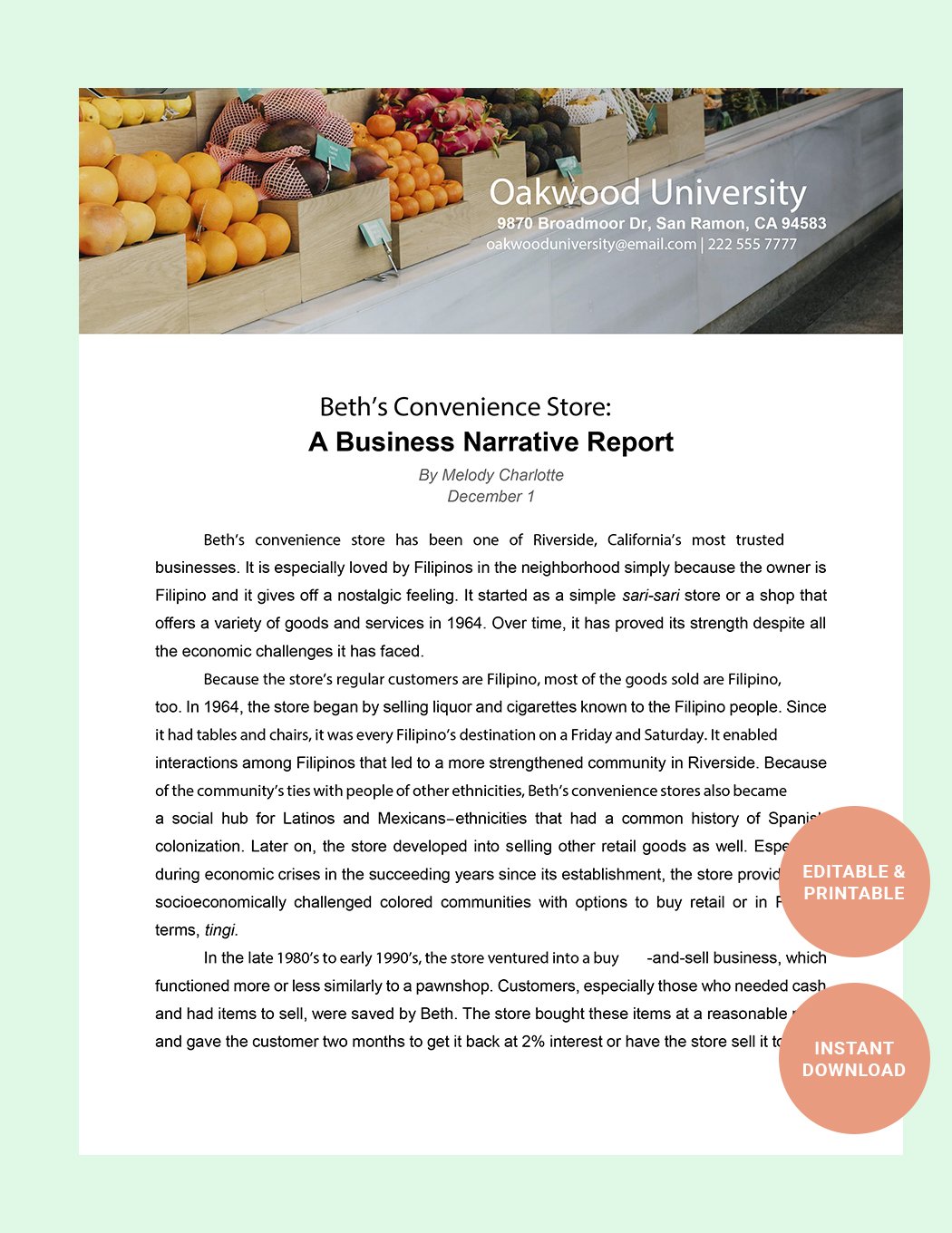
Free Narrative Report Templates to Edit Online and Print
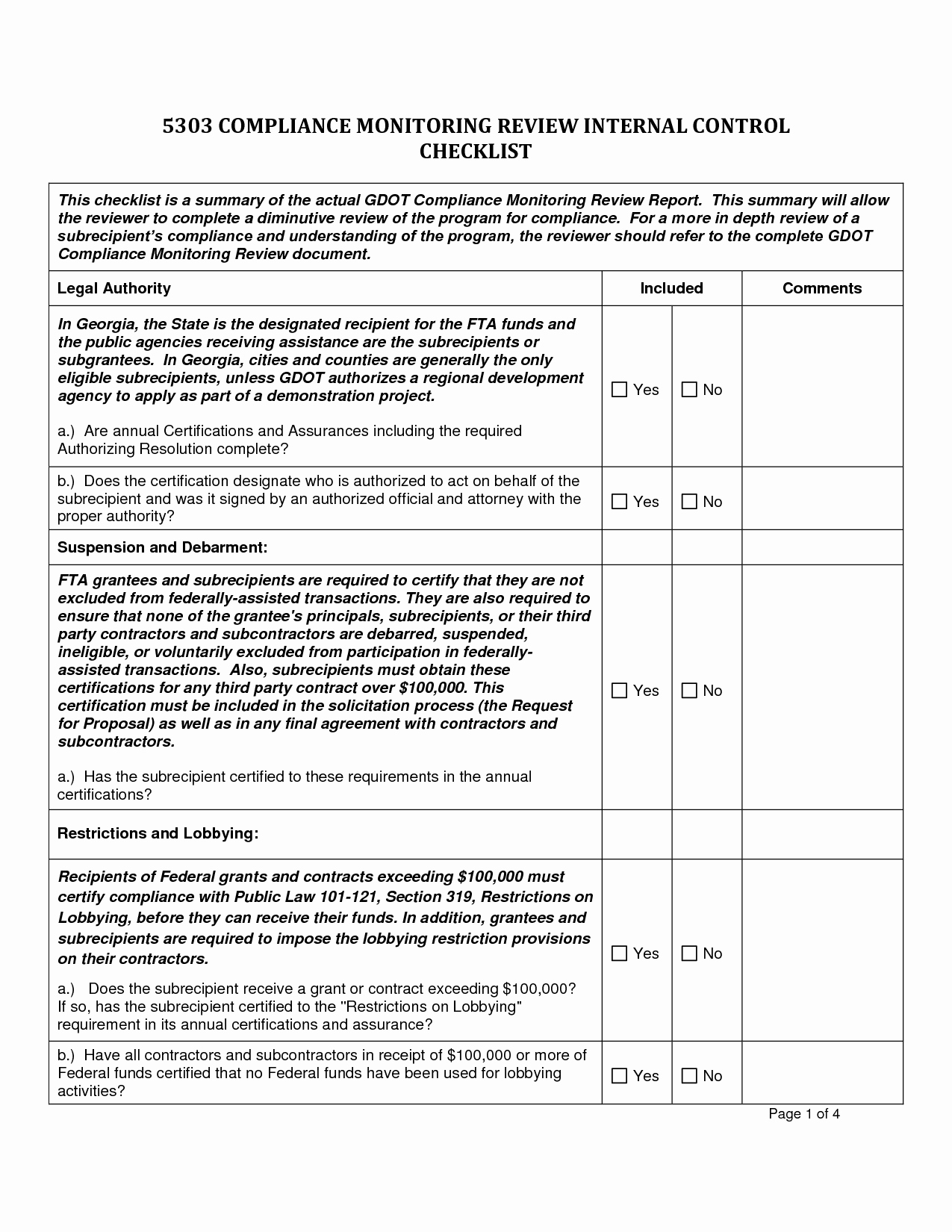
Ems Pcr Narrative Template, I know different philosophies and formats

Free Narrative Report Templates to Edit Online and Print

Ems Pcr Narrative Template

Ems Pcr Narrative Template
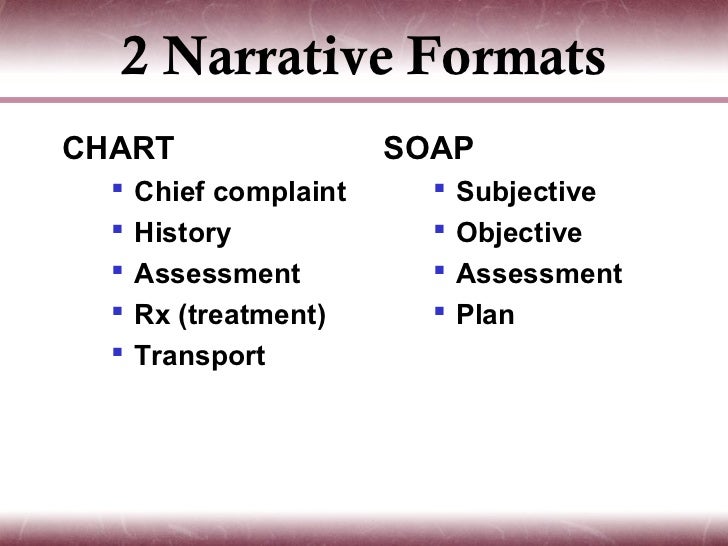
Ems Pcr Template
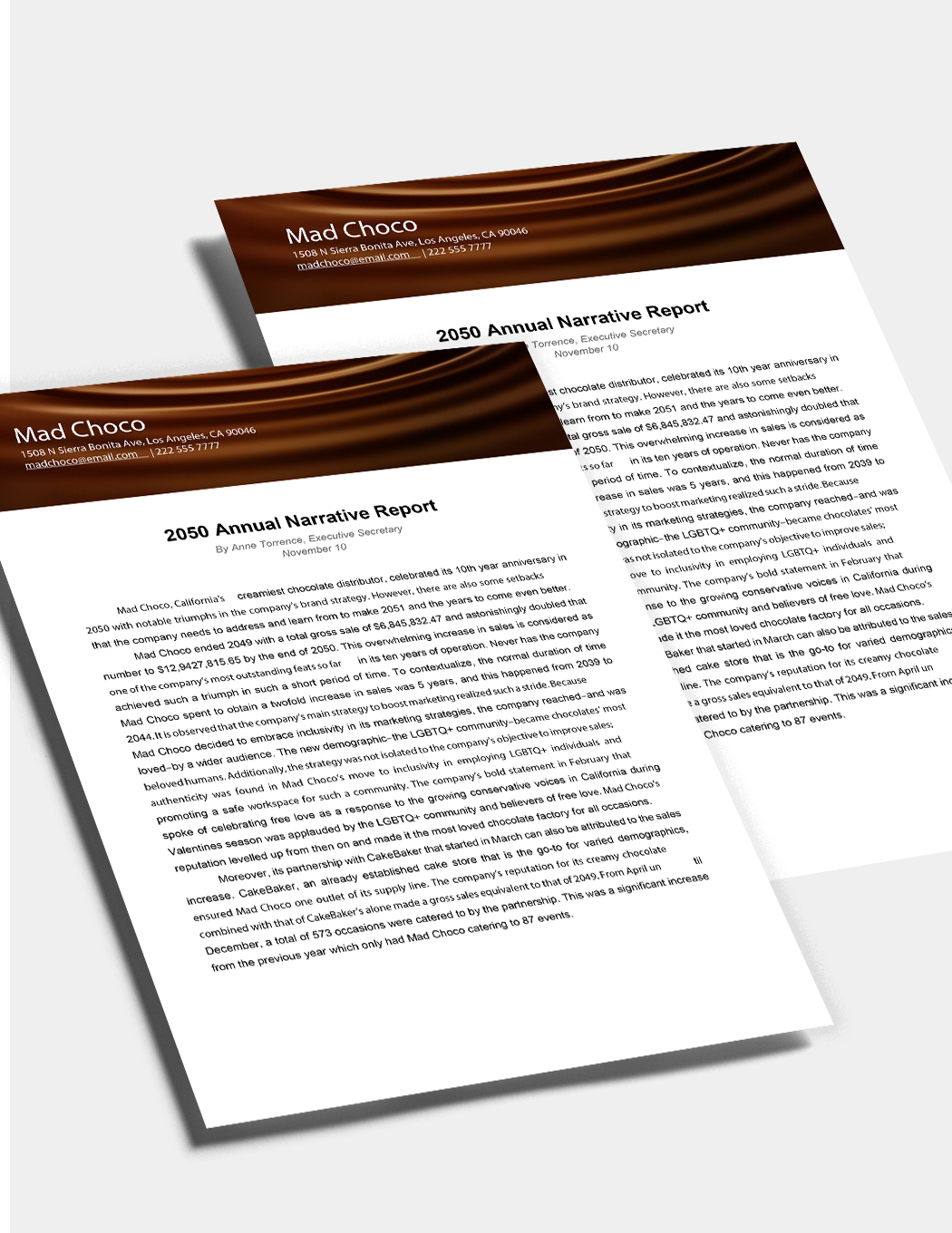
Free Narrative Templates to Edit Online
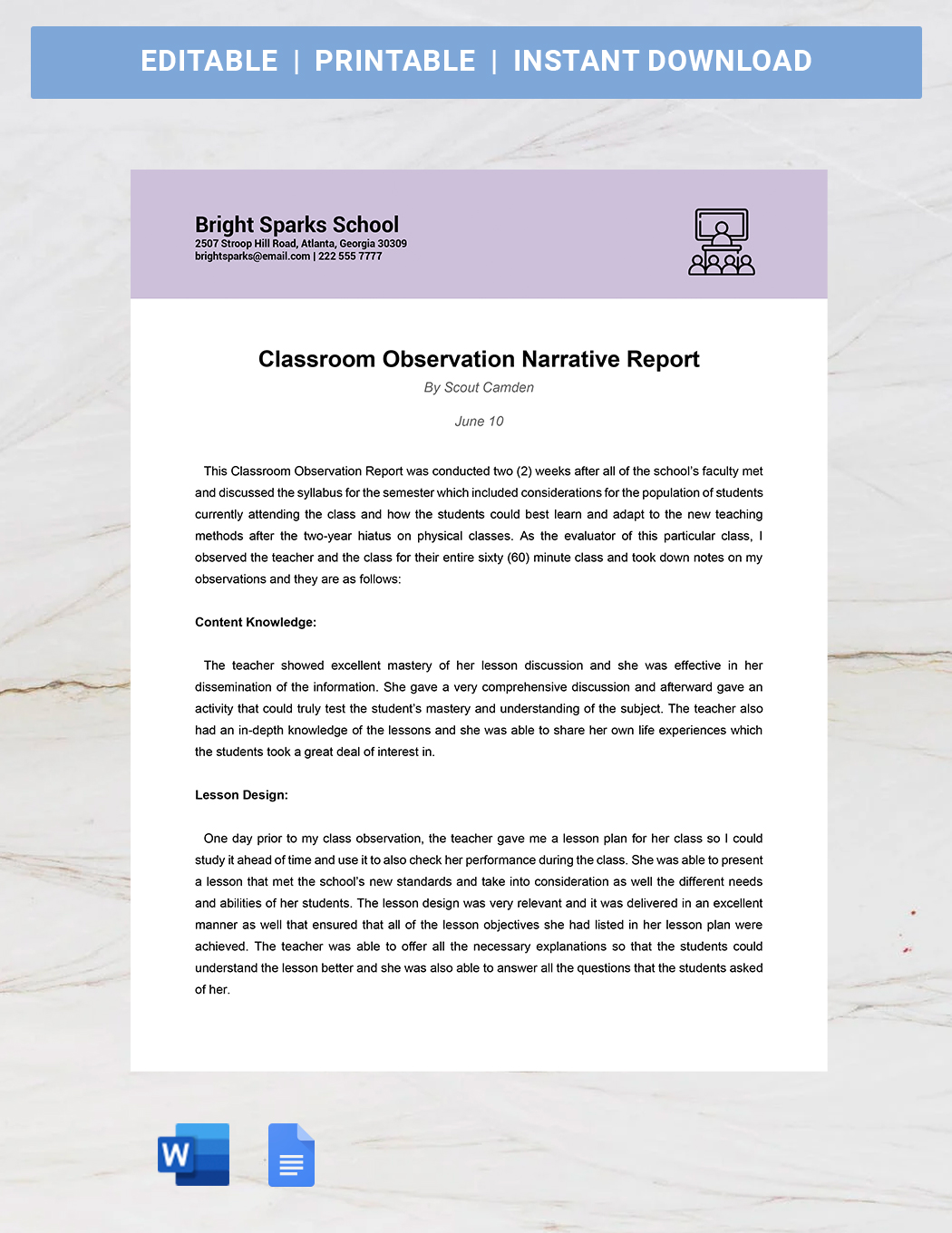
Narrative Report Templates Google Docs, Word

Free Narrative Templates to Edit Online
The Most Widely Used Target.
Pcr Is An Enzymatic Process In Which A Specific Region Of Dna Is Replicated Over And Over Again To Yield Many Copies Of A Particular Sequence.
Health Experts Can Use Pcr Tests As A Quick, Accurate Way To Diagnose Infectious Diseases, Spot Genetic Changes That Can Cause Disease, And Identify Small Amounts Of Cancer.
Related Post:
