
Std Lab Results Template
Std Lab Results Template - In input column (s), enter density temp. The pooled standard deviation is a method for estimating a single standard deviation to represent all independent samples or groups in your study when they are assumed to come from. This procedure demonstrates how to add lines at 1 and 2 standard deviations to an individuals chart. Use this procedure to add sigma limit lines to your control chart. To use this function, choose calc > calculator. While the range estimates the spread of the data by subtracting the. Within standard deviation is an estimate of the variation within the subgroups. The standard deviation (also called sigma or σ) that you use in a power and sample size analysis depends on whether you already collected the data. It is the sum of all observations divided by the number of (nonmissing) observations. The mean is also called the average. The pooled standard deviation is a method for estimating a single standard deviation to represent all independent samples or groups in your study when they are assumed to come from. The standard deviation (also called sigma or σ) that you use in a power and sample size analysis depends on whether you already collected the data. The sample standard deviation is equal to the square root of the sample. If you have not collected the data, use an. It is the sum of all observations divided by the number of (nonmissing) observations. To use this function, choose calc > calculator. The standard deviation is the most common measure of dispersion, or how spread out the data are about the mean. The normal distribution is the most common statistical distribution because approximate normality occurs naturally in many physical, biological, and social measurement situations. Use this procedure to add sigma limit lines to your control chart. While the range estimates the spread of the data by subtracting the. In input column (s), enter density temp. If you have not collected the data, use an. This procedure demonstrates how to add lines at 1 and 2 standard deviations to an individuals chart. The mean is also called the average. The normal distribution is the most common statistical distribution because approximate normality occurs naturally in many physical, biological, and social. To use this function, choose calc > calculator. While the range estimates the spread of the data by subtracting the. The mean is also called the average. If you have not collected the data, use an. The normal distribution is the most common statistical distribution because approximate normality occurs naturally in many physical, biological, and social measurement situations. Rbar is the average of the subgroup ranges. The standard deviation (also called sigma or σ) that you use in a power and sample size analysis depends on whether you already collected the data. While the range estimates the spread of the data by subtracting the. In input column (s), enter density temp. Use this procedure to add sigma limit. Within standard deviation is an estimate of the variation within the subgroups. While the range estimates the spread of the data by subtracting the. Rbar is the average of the subgroup ranges. In input column (s), enter density temp. The standard deviation is the most common measure of dispersion, or how spread out the data are about the mean. In input column (s), enter density temp. This procedure demonstrates how to add lines at 1 and 2 standard deviations to an individuals chart. The mean is also called the average. While the range estimates the spread of the data by subtracting the. The standard deviation (also called sigma or σ) that you use in a power and sample size. A commonly used measure of the center of a batch of numbers. The standard deviation (also called sigma or σ) that you use in a power and sample size analysis depends on whether you already collected the data. Measures the dispersion (how spread out the data are) about the mean. While the range estimates the spread of the data by. The standard deviation (also called sigma or σ) that you use in a power and sample size analysis depends on whether you already collected the data. The standard deviation is the most common measure of dispersion, or how spread out the data are about the mean. Within standard deviation is an estimate of the variation within the subgroups. Open the. In input column (s), enter density temp. The standard deviation is the most common measure of dispersion, or how spread out the data are about the mean. Use this procedure to add sigma limit lines to your control chart. While the range estimates the spread of the data by subtracting the. Rbar is the average of the subgroup ranges. To use this function, choose calc > calculator. The pooled standard deviation is a method for estimating a single standard deviation to represent all independent samples or groups in your study when they are assumed to come from. This procedure demonstrates how to add lines at 1 and 2 standard deviations to an individuals chart. Rbar is the average of. Open the sample data, particleboard.mwx. It is the sum of all observations divided by the number of (nonmissing) observations. A commonly used measure of the center of a batch of numbers. To use this function, choose calc > calculator. This procedure demonstrates how to add lines at 1 and 2 standard deviations to an individuals chart. Measures the dispersion (how spread out the data are) about the mean. To use this function, choose calc > calculator. This procedure demonstrates how to add lines at 1 and 2 standard deviations to an individuals chart. In input column (s), enter density temp. Use this procedure to add sigma limit lines to your control chart. Rbar is the average of the subgroup ranges. In store results in, type 'std density' 'std temp'. Open the sample data, particleboard.mwx. While the range estimates the spread of the data by subtracting the. The standard deviation (also called sigma or σ) that you use in a power and sample size analysis depends on whether you already collected the data. The standard deviation is the most common measure of dispersion, or how spread out the data are about the mean. The pooled standard deviation is a method for estimating a single standard deviation to represent all independent samples or groups in your study when they are assumed to come from. The mean is also called the average. The normal distribution is the most common statistical distribution because approximate normality occurs naturally in many physical, biological, and social measurement situations. Within standard deviation is an estimate of the variation within the subgroups.
Facts about STDs that Every Individual Should Know Luxury Activist
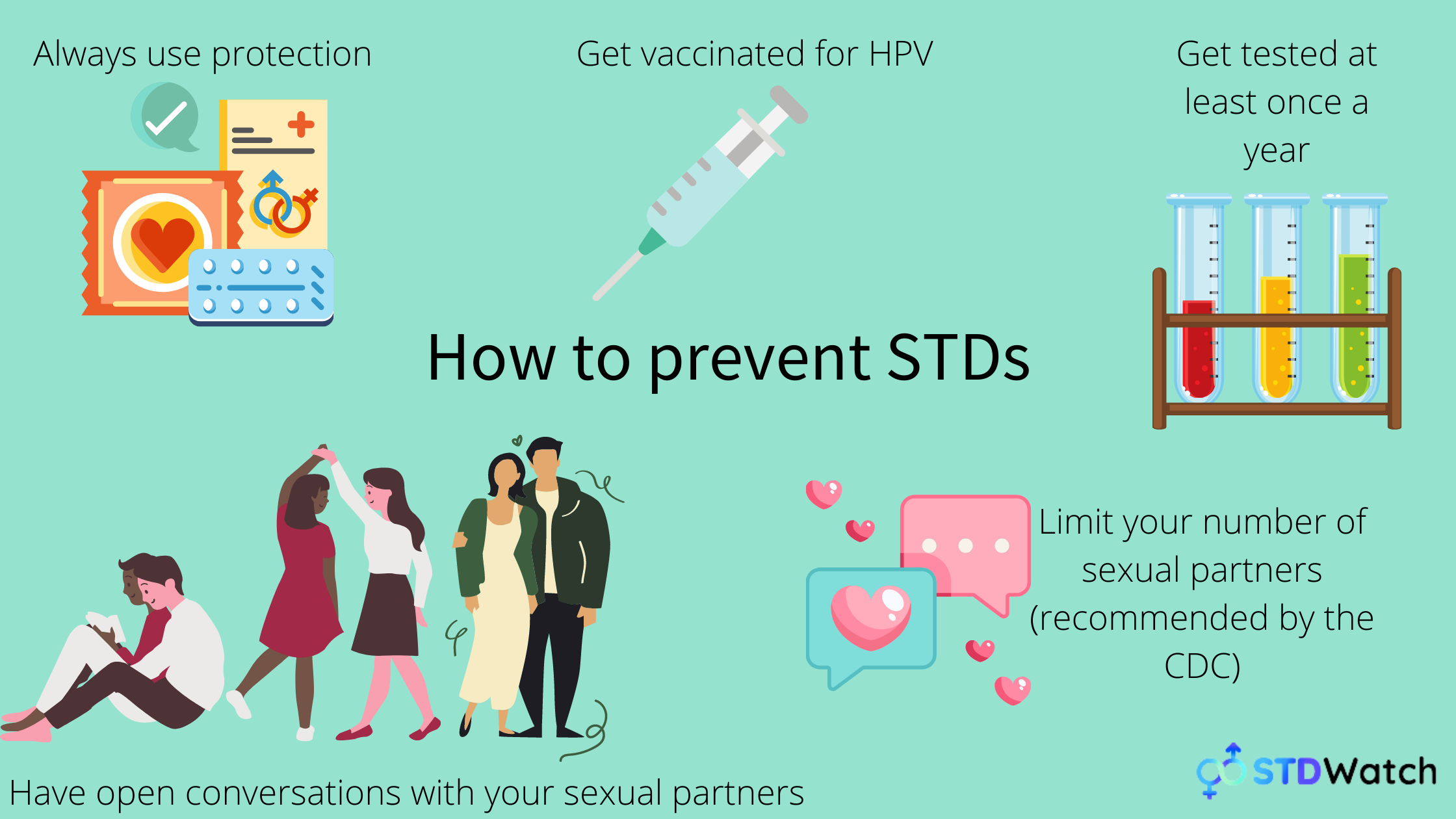
Std

Sexually Transmitted Infections MOBIEG
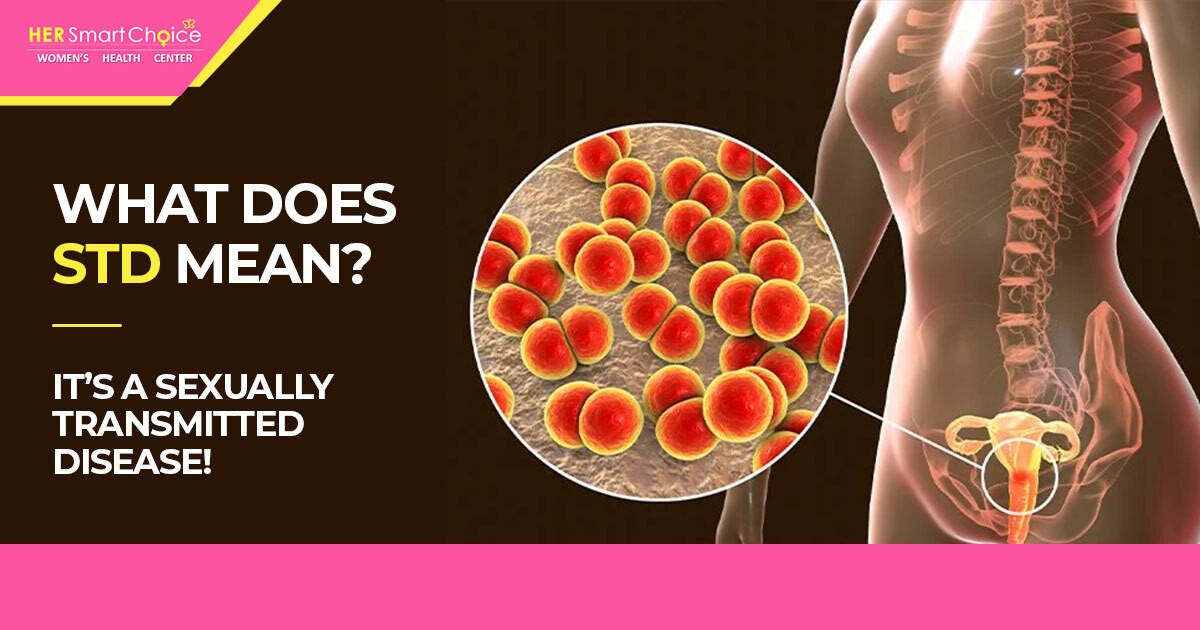
Chlamydia Archives Her Smart Choice

Chlamydia Std

Pin on Know the Symptoms
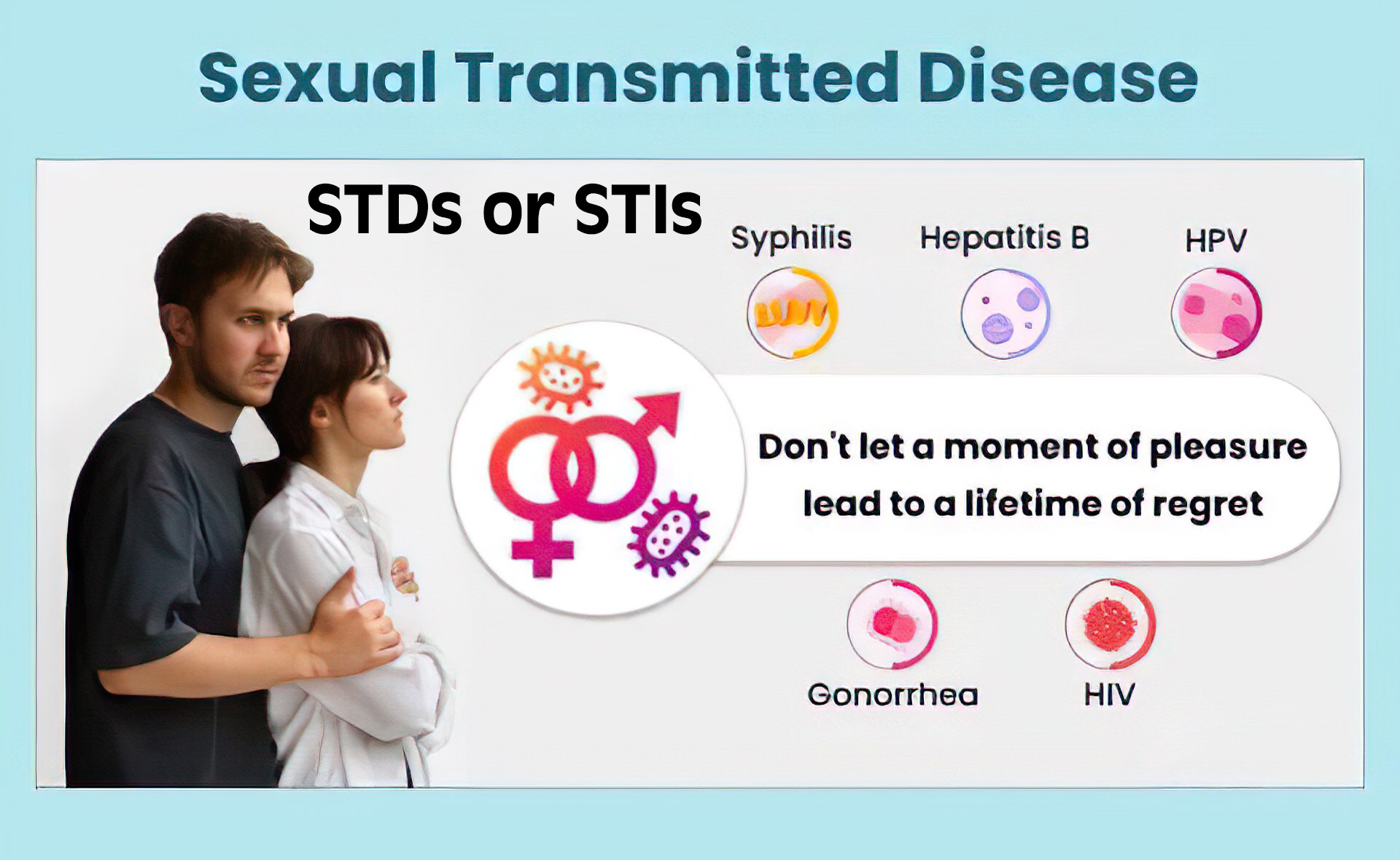
Sexually Transmitted Diseases (STDs) Causes, Symptoms, and Risks
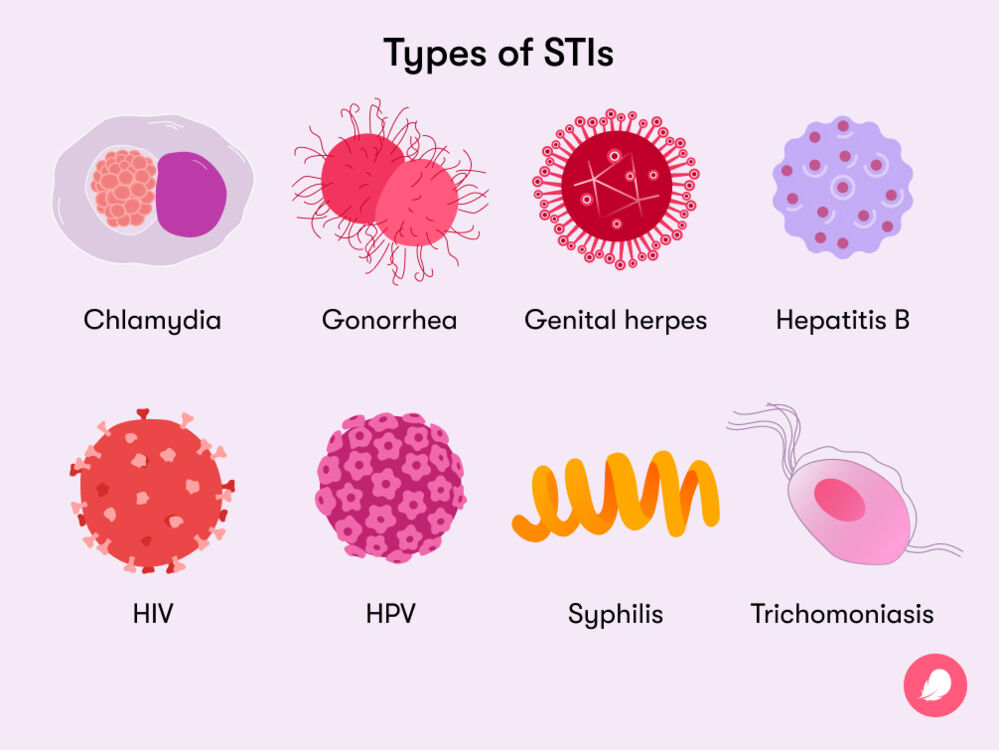
Sexually transmitted infections (STIs) Types & symptoms Flo
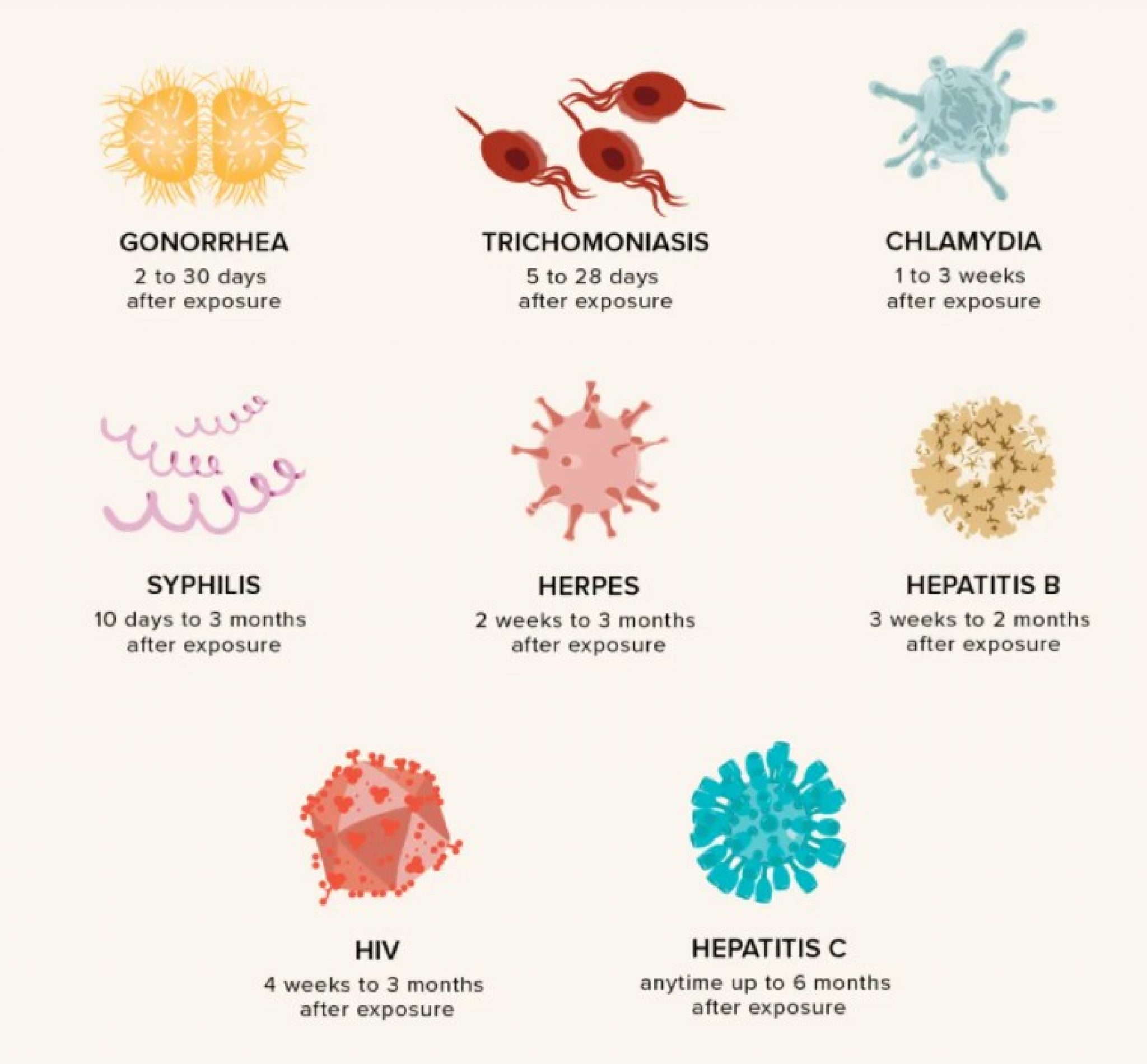
New Stds 2024 Bobby Christa
:max_bytes(150000):strip_icc()/std-diagnosis-3133242_final_CORRECTED-1844621977e3414095a4282f92e7a154.jpg)
How STDs Are Diagnosed
It Is The Sum Of All Observations Divided By The Number Of (Nonmissing) Observations.
The Sample Standard Deviation Is Equal To The Square Root Of The Sample.
A Commonly Used Measure Of The Center Of A Batch Of Numbers.
If You Have Not Collected The Data, Use An.
Related Post: